From ancient forts to river islands, Yadgiri offers a tranquil yet historic escape in Karnataka’s northern heartland.
Yadgiri, lesser known yet culturally rich, is defined by its rugged fortresses and riverine landscapes. The commanding Yadgir Fort, perched atop a rocky hill, offers sweeping views of the surrounding countryside. The Krishna and Bhima rivers meander through the district, nurturing lush farmlands and small river islands like Narayana Kheda. Ancient Jain temples, prehistoric sites, and village festivals reveal layers of spiritual and historical depth. For travelers seeking a quiet, offbeat destination steeped in local traditions, Yadgiri is a hidden gem waiting to be explored.
Where the Bhima and Krishna rivers cradle emerald farmlands and history rises from rocky outcrops—Yadgiri is a tranquil canvas of forgotten forts, sacred sites, and rural soul that invites the curious and contemplative traveler.
Tucked away in Karnataka’s northern terrain, Yadgiri is a district of understated beauty and deep-rooted heritage. Often overlooked on mainstream travel maps, this hidden frontier rewards those who venture off the beaten path with an intimate glimpse into Karnataka’s rustic and historical heartland.
The defining landmark of the region is the Yadgir Fort, a mighty sentinel that sits majestically atop a granite hill, silently narrating tales of ancient dynasties, local chieftains, and military prowess. The fort, believed to have seen the reign of the Bahmani and Adil Shahi rulers, is an architectural blend of military function and scenic form. The ascent offers panoramic views of red soil fields, river valleys, and distant hamlets shimmering in the sun—a reward for both photographers and solitude seekers.
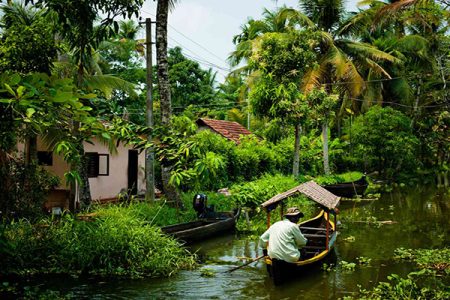
Water is the lifeline of Yadgiri. The Krishna and Bhima rivers, two of southern India’s most important water bodies, traverse the district with grace, carving fertile lands and forming serene river islands, the most notable being Narayana Kheda. This island village is accessible by boat and gives travelers an immersive experience of rural riverine life—paddy fields swaying with the breeze, fishermen casting nets at dawn, and festivals that pulse with drumming, dance, and devotion.
Yadgiri is also home to hidden spiritual treasures. Scattered across the district are ancient Jain basadis and temples with regional deities, some dating back centuries. Surapura, once a princely state, still retains elements of regal legacy with its palaces and temples. The Venugopala Swamy Temple and Chaya Bhagavati Temple are architectural gems where stone and legend intertwine. Prehistoric sites and megalithic remnants in the outskirts whisper of even older human footprints across the land.
The district’s soul lies in its village traditions, many of which are still preserved in local art, folklore, and community rituals. Handloom weaving, particularly of coarse cottons and locally-dyed fabrics, thrives in quieter corners. Weekly markets (santhe) burst into life with colors, aromas, and chatter—offering a vibrant contrast to the otherwise serene landscape. Local festivals like Dasara and Sankranti are celebrated with unique rituals, folk performances, and temple fairs that allow outsiders a deeply personal insight into rural Karnataka’s cultural rhythm.
Yadgiri’s appeal isn’t in grand monuments or luxury resorts—it’s in the gentle, grounding authenticity of its experience. It’s in sipping fresh sugarcane juice under a banyan tree, crossing a coracle over the Bhima, sharing a traditional meal in a villager’s courtyard, and listening to elders recount folklore under a starlit sky.
For eco-conscious and cultural travelers, Yadgiri presents opportunities for slow tourism, birdwatching, temple trails, and agricultural tours. Its landscape, dotted with acacia trees, rocky ridges, and seasonal lakes, also offers quiet trails for exploration and photography.
As Karnataka continues to diversify its tourism offerings, Yadgiri emerges as an unpolished gem—not with the glint of gold, but with the enduring shine of heritage, simplicity, and timeless connection to land and life.
"Book Your Dream: Karnataka’s Cultural and Natural Wonders"
Goa is for everyone — including your little explorers!
Trade beach parties for cobblestone lanes and spice-laden breezes in this deeper dive into Goa’s culture.