A land shaped by rivers and ruled by empires, Raichur offers a fascinating journey through time.
Flanked by the Krishna and Tungabhadra Rivers, Raichur is a fertile land that has witnessed the rise and fall of numerous empires. The imposing Raichur Fort, with its Persian inscriptions and war-scarred walls, narrates tales of medieval battles. The region is dotted with ancient temples and Buddhist relics, while its paddy fields shimmer in the sunlight. Raichur provides a unique blend of agrarian charm and historical depth.
Tucked between the Krishna and Tungabhadra Rivers, Raichur is more than just a name on the map—it is a region where geography and history converge to create a tapestry rich in culture, conflict, and continuity. Known for its agricultural bounty and strategic importance through the ages, Raichur has been a coveted frontier—a crossroads between great South Indian empires such as the Chalukyas, Bahmanis, Vijayanagara, and the Mughals.
At the heart of this district stands the majestic Raichur Fort, a colossal structure perched atop a granite hill in the city’s center. Originally constructed during the Kakatiya dynasty, the fort was later expanded by the Bahmani rulers and witnessed fierce conflicts during the Raichur Doab battles—especially the legendary clash between Krishnadevaraya of Vijayanagara and the Adil Shahi rulers of Bijapur. The walls still bear the scars of cannon fire and sword battles, while Persian inscriptions and bastions narrate the legacy of centuries past. From the ramparts, visitors are rewarded with panoramic views of the Tungabhadra plains and the bustling town below.
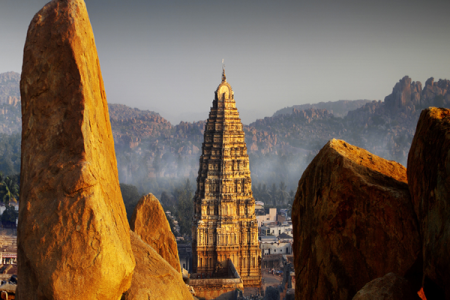
But Raichur’s significance is not limited to its military history. The district is home to numerous temples, mosques, and ancient relics, reflecting the region’s multicultural and spiritual depth. The Markandeshwara Temple in Kallur is a prominent site, revered for its architecture and spiritual significance. The town of Maski has yielded inscriptions from the Mauryan era, including references to Ashoka, providing evidence of Buddhist influence in early Raichur. Archaeological sites like Mudgal boast medieval forts, Jain statues, and relics from both Hindu and Islamic rule.
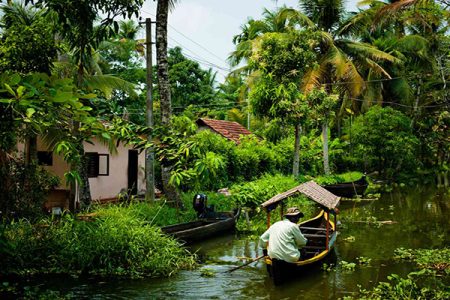
Beyond its historical and religious wealth, Raichur thrives on its rivers. The fertile alluvial soil deposited by the Krishna and Tungabhadra rivers has supported agriculture here for millennia. The Raichur Doab—literally meaning the land between two rivers—is renowned for paddy, pulses, and cotton cultivation. The green expanse of fields shimmering under the sun, swaying sugarcane crops, and network of canals create a soothing countryside experience for travelers seeking rustic beauty.
The Naradagadde island, located in the Krishna River near Raichur, is another unique spiritual and scenic destination. Legend holds that Sage Narada meditated here, and even today, the island draws pilgrims and nature lovers alike for its peace and sacred ambiance.
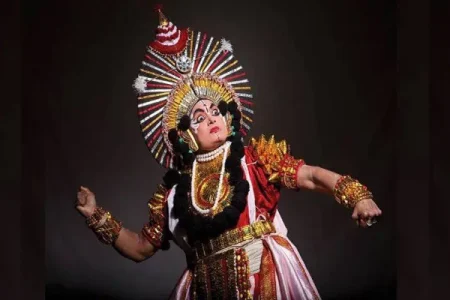
Raichur also holds pride in its folk music, handloom weaving, and Kannada literary traditions. Festivals like Urs and car festivals (rathotsavas) bring people together across faiths, showcasing Raichur’s cultural inclusiveness and vibrant rural life. The bustling markets of Raichur town, dotted with spice stalls, millet-based snacks, and cotton goods, are a delight to explore.
Modern Raichur is steadily evolving with improved infrastructure, rail connectivity, and irrigation projects. Yet, it remains anchored in its roots, offering a timeless charm to history buffs, spiritual travelers, and those looking to experience the essence of Karnataka’s interior landscapes.
For travelers seeking a deeper story—beyond the beaten trail—Raichur opens its gates to a rich confluence of empires, nature, and tradition.
"Book Your Dream: Karnataka’s Cultural and Natural Wonders"
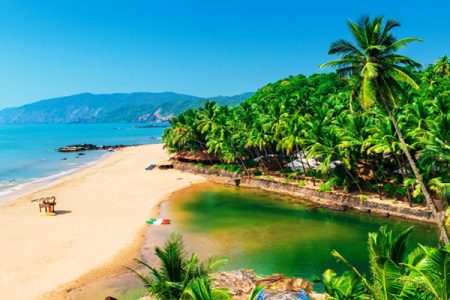
Goa is for everyone — including your little explorers!
Trade beach parties for cobblestone lanes and spice-laden breezes in this deeper dive into Goa’s culture.