Fertile fields, flowing rivers, and temple towns—Mandya offers a sweet blend of nature, heritage, and agrarian life.
Mandya’s rolling sugarcane fields give the district its nickname, but its appeal extends far beyond agriculture. The Cauvery River nourishes the land and supports wildlife sanctuaries like Ranganathittu Bird Sanctuary. Majestic temples such as Sri Ranganathaswamy Temple in Srirangapatna and Melukote draw devotees and history buffs alike. The district played a vital role in the freedom struggle and remains a hub of traditional music and folk arts. Mandya is a harmonious blend of spirituality, natural beauty, and cultural pride.
Nicknamed the “Sugar Bowl of Karnataka,”Mandya is a district where lush sugarcane fields stretch to the horizon, nurtured by the life-giving waters of the Cauvery River. Situated strategically between Bengaluru and Mysuru, Mandya represents the agrarian soul of Karnataka—a land where farming traditions, riverine ecology, classical heritage, and historical patriotism thrive in harmony.
Agriculture is the district’s lifeblood, and its fertile black soil and well-irrigated farmlands are among the most productive in the state. Mandya’s farmers cultivate not only sugarcane but also paddy, coconut, pulses, and vegetables. The Krishna Raja Sagara (KRS) Dam, built during the Wodeyar reign, is a landmark feat of irrigation engineering. Its waters support both agricultural prosperity and the stunning Brindavan Gardens, known for their musical fountains, symmetrical landscaping, and evening light shows that attract thousands of visitors.
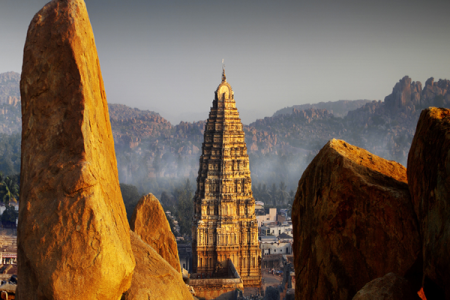
Beyond agriculture, Mandya boasts deep spiritual and historical significance. The Sri Ranganathaswamy Temple in Srirangapatna, located on an island in the Cauvery, is one of the three sacred Ranganatha temples along the river (the other two being at Srirangam and Shivanasamudra). Built in the Vijayanagara style, it draws Vaishnavite devotees from across the world. Srirangapatna is also a site of national historical importance—once the capital of the powerful Tipu Sultan, whose fort, mosque, and summer palace (Daria Daulat Bagh) still stand as proud symbols of resistance against British colonialism.
Melukote, another spiritual center nestled on a hill, is revered for its Cheluvanarayana Swamy Temple, which has drawn scholars and devotees for centuries. It was here that Sri Ramanujacharya, the great Vaishnavite philosopher, stayed and propagated his teachings. The temple town retains an aura of sanctity, especially during the Vairamudi Festival, when the deity is adorned with a diamond-studded crown and paraded in a grand procession.
Mandya also offers natural delights like the Ranganathittu Bird Sanctuary, a cluster of small islets on the Cauvery near Srirangapatna. This sanctuary is a haven for birdwatchers and nature lovers, home to migratory birds such as painted storks, pelicans, spoonbills, kingfishers, and open-bill storks. A serene boat ride here offers glimpses of crocodiles, turtles, and a symphony of bird calls amid lush riverine landscapes.
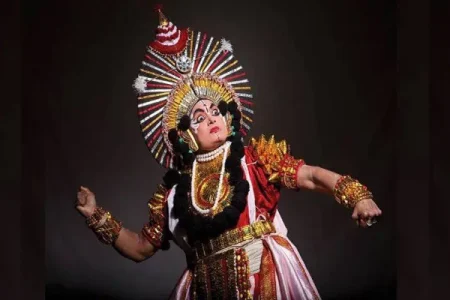
Culturally, Mandya is a bastion of Kannada folk music, drama, and traditions. The district has produced notable poets, writers, and classical musicians, and traditional art forms like Bayalata (folk theatre) and Dollu Kunitha (drum dance) are still performed during village festivals. The spirit of patriotism also runs deep—Mandya played a vital role in India’s freedom movement, with many local heroes having participated in the Quit India Movement and Salt Satyagraha.
Local cuisine in Mandya is a rustic celebration of farm-fresh flavors, featuring dishes like ragi mudde (finger millet balls), avarekalu saaru (hyacinth bean curry), and sweet offerings made from sugarcane jaggery. Local fairs, jatres, and harvest festivals like Sankranti and Ugadi are vibrant with processions, folk music, and temple rituals, reflecting a strong sense of community and tradition.
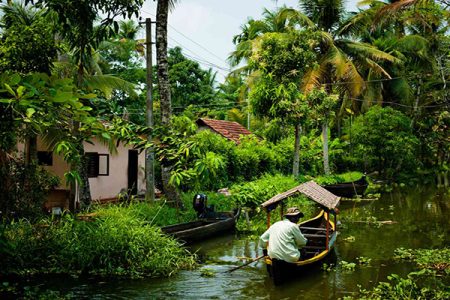
Despite being close to two urban hubs, Mandya retains its idyllic countryside charm. The landscape is dotted with bullock carts, palm-lined bunds, terracotta-roofed homes, and bustling village markets. Whether you are a devotee, history enthusiast, bird lover, or cultural explorer, Mandya offers a slow, sweet journey into the heart of Karnataka’s rural richness.
"Book Your Dream: Karnataka’s Cultural and Natural Wonders"
Goa is for everyone — including your little explorers!
Trade beach parties for cobblestone lanes and spice-laden breezes in this deeper dive into Goa’s culture.