Timeless stone temples and rugged landscapes define Koppal, where ancient artisans left an indelible mark.
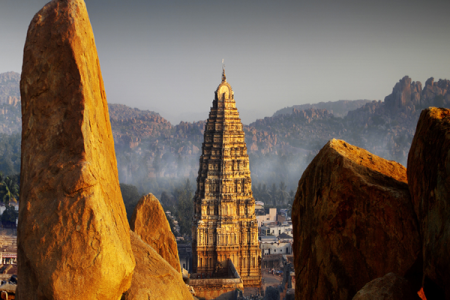
Koppal is a land where stone speaks. The district is home to Mahadeva Temple at Itagi, regarded as one of the finest examples of Chalukyan architecture. The Kukanoor temples and Huligemma Temple further reveal the region’s spiritual significance. Koppal also offers proximity to Hampi, allowing visitors to explore ancient trade routes and temple ruins. The rocky outcrops and historic forts make Koppal a favorite for history enthusiasts and photographers.
Koppal is a district where stone transcends silence, telling stories of ancient dynasties, forgotten rituals, and timeless devotion. Nestled in northern Karnataka and shadowed by the famed ruins of Hampi, Koppal is often overlooked—but it stands as a living museum of Chalukyan art, pre-Vijayanagara religious architecture, and bold natural landscapes. It is a place where every carved pillar and fortress wall reveals the spirit of Karnataka’s sculptural and spiritual legacy.
The Mahadeva Temple at Itagi, often called the “Emperor among Temples,” is a crowning jewel of Koppal’s architectural heritage. Built in the 12th century by Mahadeva Dandanayaka under the rule of the Western Chalukyas, this temple is an exemplary specimen of Later Chalukyan architecture—its exquisite shikharas, finely chiseled pillars, and intricate friezes rival even those at Pattadakal and Aihole. The temple is revered not only as a place of worship but also as a masterclass in ancient stone artistry.
Koppal’s Kukanoor group of temples is another cluster of hidden gems. Often lesser known to casual tourists, these temples reflect the fusion of early medieval styles and hint at the region’s role as a religious center. They are said to have flourished under the patronage of Rashtrakutas and Chalukyas, showcasing how Koppal once served as a key node in the spiritual and political map of peninsular India.
The Huligemma Temple in Huligi village is a revered pilgrimage site drawing thousands of devotees year-round. This temple is not only a spiritual landmark but also central to local culture, where festivals and rituals are celebrated with fervor and deep-rooted community participation. The temple’s significance is tied to regional legends, especially those connected to warrior goddesses and protective deities of the land.
Apart from its religious and architectural wonders, Koppal’s topography is rugged and dramatic. Rocky outcrops, hill forts, and natural granite formations dominate the horizon. The Koppal Fort, set atop a rocky hill, offers panoramic views and a chance to retrace the footsteps of local rulers and warriors who once defended this strategic terrain. Trekking up these ancient paths is a visual and sensory journey into Karnataka’s martial past.
One of Koppal’s greatest geographical advantages is its proximity to Hampi, just a short drive away. This allows travelers to extend their itinerary beyond the bustling heritage trails of Hampi and immerse themselves in the quieter, equally profound legacy of Koppal. This region once served as a critical trade route and cultural bridge linking Vijayanagara to central and northern India.
Today, Koppal retains its rural authenticity, with vibrant weekly markets, craft traditions, and agrarian lifestyles offering glimpses into Karnataka’s hinterland life. The local cuisine, temple rituals, and folk performances during village festivals present a living continuum of the district’s past and present.
For history enthusiasts, architecture lovers, spiritual seekers, and offbeat travelers, Koppal is more than just a district—it’s a stone-etched saga waiting to be explored, where every sculpture, shrine, and stone carries the weight of centuries and the soul of a bygone era.
"Book Your Dream: Karnataka’s Cultural and Natural Wonders"
Goa is for everyone — including your little explorers!
Trade beach parties for cobblestone lanes and spice-laden breezes in this deeper dive into Goa’s culture.