Ancient gold mines, majestic temples, and timeless myths come alive in Kolar, a land that gleams with history.
Once known for the Kolar Gold Fields (KGF)—among the world’s deepest gold mines—Kolar is a district steeped in legend and lore. The magnificent Kolaramma Temple and Someshwara Temple exhibit stunning Dravidian architecture. Nearby, the Antara Gange caves and spring-fed pools attract adventurers and pilgrims alike. Myths of ancient sages, tales of buried treasure, and the region’s geological uniqueness offer a rich tapestry of experiences for modern explorers.
Kolar, often referred to as the “Golden Land of Karnataka,” is a district where the earth glitters with gold and the air hums with ancient legends. Historically renowned for the Kolar Gold Fields (KGF)—once among the deepest and most productive gold mines in the world—the district holds a unique place in India’s economic and colonial narrative. British-era bungalows, abandoned mining shafts, and rusted equipment in the KGF region stand today as ghostly monuments to a booming industrial past that attracted workers and engineers from across the globe. Even today, the lore of “Gold beneath your feet” continues to captivate the imagination of historians, filmmakers, and treasure seekers.
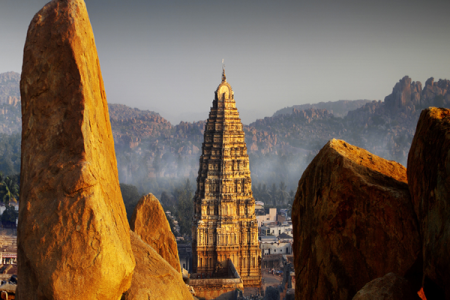
Yet, Kolar is much more than its mining heritage. It is a land of sacred geography, where mythology and devotion shape the cultural landscape. The Kolaramma Temple, dedicated to the district’s guardian deity, is over a thousand years old and an architectural gem of Dravidian style, built during the reign of the Cholas and Gangas. Its stone inscriptions, intricate carvings, and the awe-inspiring idol of Kolaramma (a form of Durga) evoke both artistic and spiritual awe. Equally majestic is the Someshwara Temple, a 14th-century marvel of the Vijayanagara dynasty, with its ornate mantapas (halls), yali pillars, and an intricately carved rajagopuram (gateway tower) that narrate divine epics in stone.
The district is also famed for Antara Gange, a unique pilgrimage and adventure site just a few kilometers from Kolar town. Literally meaning “Ganges from deep within,” this sacred hill is dotted with natural caves, monolithic boulders, and a mysterious underground water stream that flows perennially from a stone Nandi (bull) idol in the temple. The Antara Gange caves are a popular destination for trekking, cave exploration, and night hiking, offering thrilling experiences for adventurers and spiritual seekers alike. The spring-fed ponds and the scenic climb through granite terrain lend it a mystic aura, especially during sunrise and night treks.
Mythologically, Kolar is woven into the Mahabharata and Ramayana. Local folklore tells of sage Gautama, who is believed to have meditated here, and Bheema, one of the Pandavas, said to have passed through the region. The very name ‘Kolar’ is said to be derived from “Kolahala,” referring to a legendary battle between demigods and demons.
In addition to its religious and mythological significance, Kolar is a horticultural hotspot known for producing some of Karnataka’s finest mangoes, silk, and vegetables. The district is part of the Eastern Dry Zone, and its vibrant weekly markets showcase the region’s agrarian richness and cultural traditions. Colorful festivals, particularly the Karaga and Draupadi Amman festivals, reflect the Tamil-Kannadiga cultural fusion that characterizes much of Kolar’s social life.
Modern Kolar is gradually evolving into an educational and residential hub, thanks to its proximity to Bengaluru. However, its rural charm, sacred hills, historical ruins, and enduring myths make it a compelling destination for cultural explorers, spiritual travelers, and those simply in search of stories buried deep—just like its famed gold.
Whether you’re walking the haunted lanes of KGF, meditating in ancient cave temples, or standing before a thousand-year-old deity, Kolar offers you a journey both earthly and ethereal—a golden experience that lingers in memory.
"Book Your Dream: Karnataka’s Cultural and Natural Wonders"
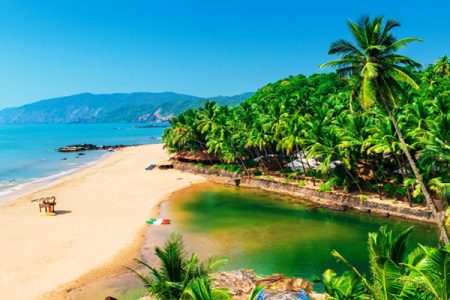
Goa is for everyone — including your little explorers!
Trade beach parties for cobblestone lanes and spice-laden breezes in this deeper dive into Goa’s culture.