Step into an open-air museum of sculptural excellence—Hassan leads you to the gems of Belur, Halebidu, and beyond.
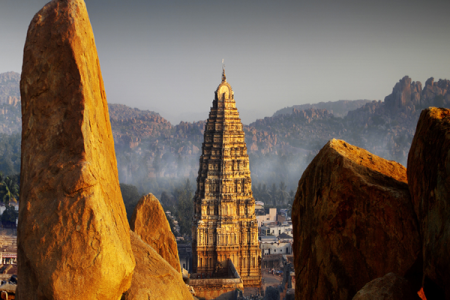
Hassan is synonymous with Hoysala architecture, especially the temples at Belur and Halebidu—masterpieces of stone carvings and ornate friezes. Shravanabelagola, a major Jain pilgrimage center, features the towering statue of Lord Bahubali. Rolling hills, coffee plantations, and ancient tanks define the region’s landscape. Hassan is a living chronicle of Karnataka’s medieval artistry.
Step into an open-air museum of sculptural excellence—Hassan is your doorway to Karnataka’s resplendent Hoysala heritage, sacred Jain pilgrimages, and scenic countryside marked by rolling hills and ancient reservoirs.
Nestled in the heart of Karnataka, Hassan is a district that holds the key to the architectural and spiritual legacy of South India’s golden era. Often referred to as the cradle of Hoysala architecture, Hassan is home to some of the most exquisite and technically accomplished temples in the country—living monuments that reflect the artistic genius and spiritual devotion of a bygone empire.
The crowning jewels of Hassan are the temple towns of Belur and Halebidu, just a short drive from the district headquarters. The Chennakeshava Temple at Belur, built in 1117 CE, stands as a testament to the intricate artistry of the Hoysala artisans. Every inch of the temple is adorned with finely sculpted depictions of gods, dancers, musicians, and scenes from the epics—Ramayana, Mahabharata, and the Bhagavata Purana. The detailed filigree work in stone is so precise, it appears almost fluid in its grace.
Equally mesmerizing is Halebidu, the erstwhile capital of the Hoysala Empire. The Hoysaleswara Temple, with its twin shrines dedicated to Lord Shiva, is renowned for its elaborate outer walls covered in friezes and mythological carvings that rival any in the world. Though time and invasion left parts of Halebidu in ruin, the grandeur of its surviving structures continues to inspire awe among historians, architects, and travelers.
Beyond the Hoysala marvels, Hassan is also a center of Jain heritage, most notably at Shravanabelagola, one of the most important Jain pilgrimage sites in the world. Towering atop Vindhyagiri hill is the colossal monolithic statue of Lord Bahubali (Gommateshwara)—a symbol of renunciation and spiritual triumph. The 57-foot statue, carved from a single granite block in 981 CE, attracts devotees and tourists from across the globe, especially during the Mahamastakabhisheka, a once-in-12-years anointing ceremony of epic proportions.
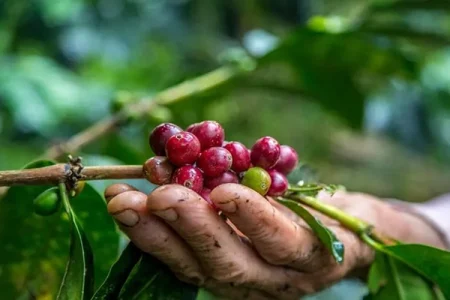
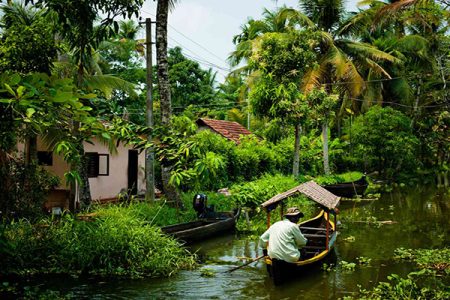
Hassan’s charm doesn’t end with its architectural wonders. The district is blessed with rolling coffee plantations, picturesque hills, and ancient stepwells and tanks that once formed the backbone of local irrigation. The Gorur Dam on the Hemavathi River offers scenic picnic spots and tranquil boat rides. The rural landscape, especially during the monsoons, is a photographer’s delight—lush paddy fields, lotus-filled ponds, and red-tiled village homes paint a portrait of timeless Karnataka.
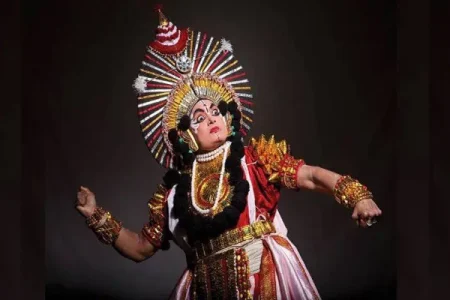
The cultural pulse of Hassan beats in its folk traditions, annual temple festivals, and crafts passed down generations. Visitors can enjoy local cuisine steeped in Malnad flavors—like ragi mudde, saaru, and akki rotti—served with the warmth that characterizes the region’s hospitality.
Whether you are a history aficionado, a pilgrim, a student of architecture, or simply a traveler in search of beauty and serenity, Hassan offers a seamless blend of antiquity and authenticity. It’s not just a destination; it’s a passage through time carved in stone and sustained through stories.
"Book Your Dream: Karnataka’s Cultural and Natural Wonders"
Goa is for everyone — including your little explorers!
Trade beach parties for cobblestone lanes and spice-laden breezes in this deeper dive into Goa’s culture.