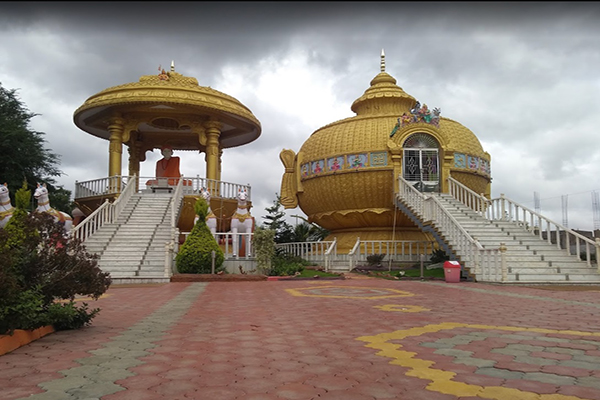
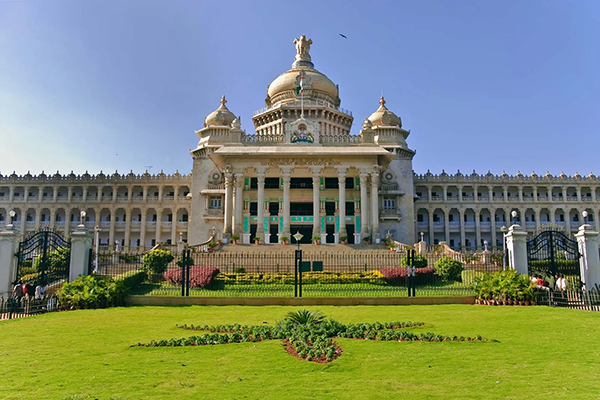
Known as the “Western Gateway of Karnataka”, Belagavi plays a pivotal role geographically and culturally. Its location at the tri-junction of Karnataka, Maharashtra, and Goa gives it a unique multi-lingual, multi-cultural identity, reflected in everything from its architecture to its cuisine. Whether you’re sipping traditional Maharashtrian solkadhi or enjoying a North Karnataka jolad rotti meal, the culinary diversity here is unmatched.
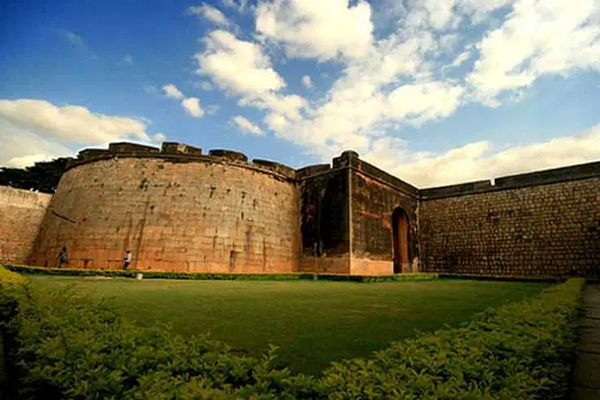
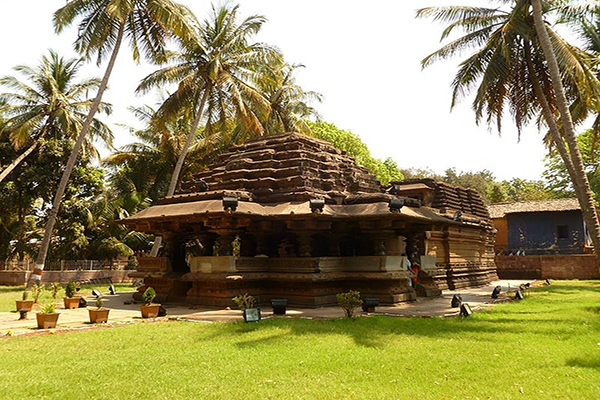
At the heart of the city lies the magnificent Belgaum Fort, a sprawling complex originally constructed in the 13th century by the Ratta dynasty. Over the centuries, it has seen additions by the Yadavas, the Bahmani Sultans, the Marathas, and the British. The fort’s most fascinating feature is its architectural syncretism—it houses a Jain temple, an ancient mosque, and colonial-era chapels, symbolizing the region’s long-standing ethos of religious harmony and cultural inclusiveness.
The fort complex is surrounded by thick stone walls, bastions, and a moat, evoking images of military strategy and medieval defense. The interiors, however, whisper the stories of peace—silent shrines, worn prayer stones, and British-era administrative blocks nestled among banyan trees.
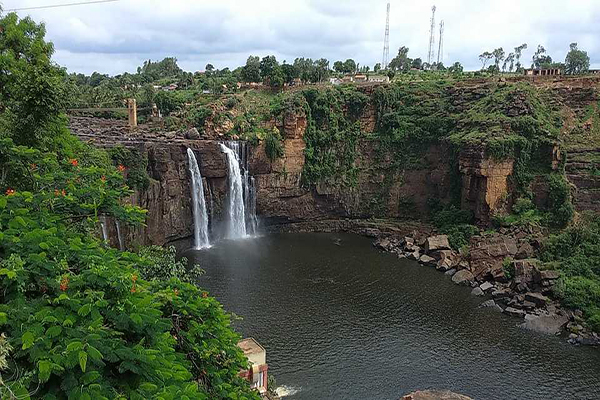
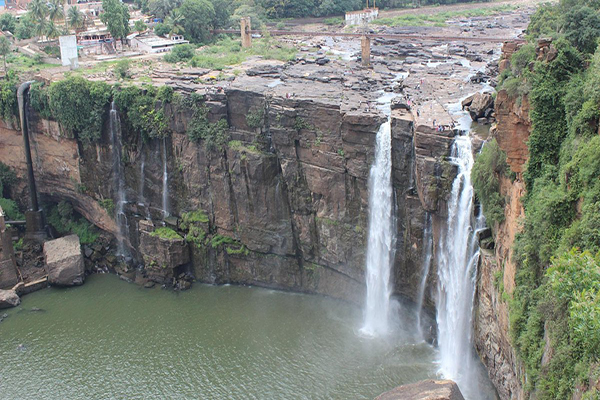
Venture beyond the fort, and Belagavi opens into a green paradise, especially during the monsoon. The nearby Gokak Falls is one of the region’s star attractions. Often compared to Niagara for its horseshoe shape and misty magnificence, this waterfall cascades down from a height of over 170 feet over the Ghataprabha River. The old hanging bridge above the falls adds to the thrill for visitors seeking a dramatic view. Close by, the historic Gokak town is known for its textiles and quaint colonial-era mill buildings.
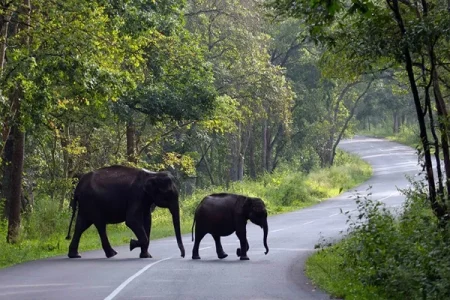
Nature enthusiasts can explore Jamboti Hills and Godchinamalaki Falls, ideal for treks and picnics. Bhimgad Wildlife Sanctuary, with its dense evergreen forests and rare species, offers a deeper dive into the region’s biodiversity. During the rains, the landscape transforms into a lush, vibrant canvas of green—a visual feast for every traveler.
Belagavi’s climate is refreshingly cool year-round, thanks to its location in the Western Ghats. This has made it a favored hill station since British times, and many colonial bungalows, churches, and educational institutions still lend the city a nostalgic charm.
The city is also a hub for education and military activity, housing several prestigious institutions and the MLIRC (Maratha Light Infantry Regimental Centre)—adding discipline and dynamism to the district’s fabric.
Religious diversity shines through in the district’s many shrines: the Kapileshwar Temple, often referred to as the “Kashi of the South,” the tranquil St. Mary’s Church, and the hilltop Military Mahadeva Temple, surrounded by pine-like trees and misty paths. The Safar Dargah, with its green domes and peaceful aura, invites seekers of all faiths.
Cultural events like the annual Kittur Utsav celebrate the valor of Rani Chennamma, a freedom fighter and icon of resistance against British rule. The Belagavi Ganesh Festival is another major draw, with vibrant processions and artistic pandals lining the streets.
From bustling heritage cafes and traditional sweet shops to serene village backroads and historical ruins, Belagavi is a mosaic of experiences waiting to be uncovered. Whether you’re a history buff, nature lover, or cultural traveler, this district offers a balanced itinerary of adventure, learning, and leisure.