Bidar, perched on the Deccan plateau, dazzles with Persian-inspired architecture, spiritual sites, and the exquisite Bidriware craft.
Bidar’s glory stems from its days as the Bahmani capital, a status reflected in the majestic Bidar Fort and the tombs of Bahmani kings. The district’s spiritual pulse beats strong at sites like the Nanak Jhira Sahib and Papnash Shiva Temple. Visitors can witness the ancient art of Bidriware—metal inlay craft unique to the region. With its sandstone monuments, heritage walks, and fusion of Indo-Islamic styles, Bidar offers a regal and reflective travel experience.
Set like a jewel on the northeastern edge of Karnataka, Bidar is often referred to as the “Crown of the Deccan”—a title it earns through its regal architecture, spiritual legacy, and the exquisite artistry of its people. Once the glorious capital of the Bahmani Sultanate, Bidar has played a pivotal role in shaping the Deccan’s cultural and historical identity. Today, it stands as a living museum of Indo-Islamic architecture, spiritual coexistence, and timeless craftsmanship.
A City Fortified in History
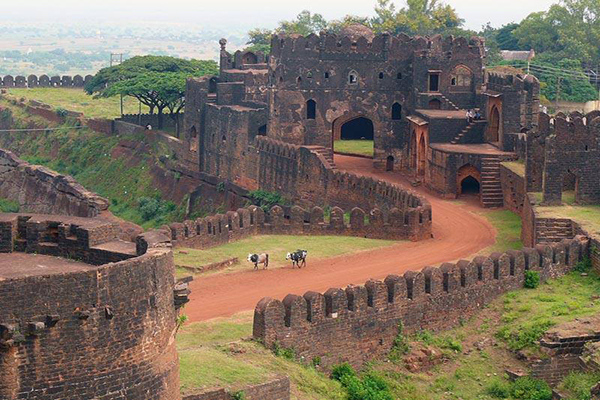
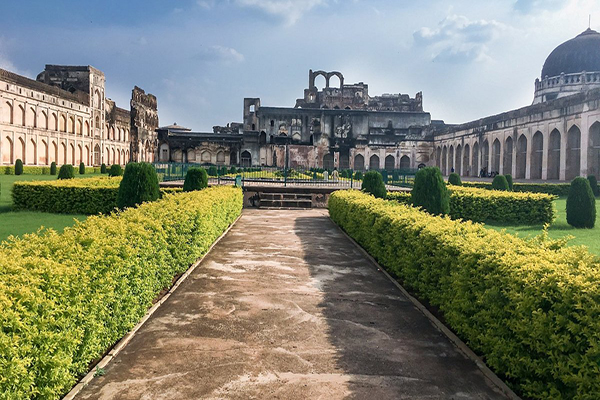
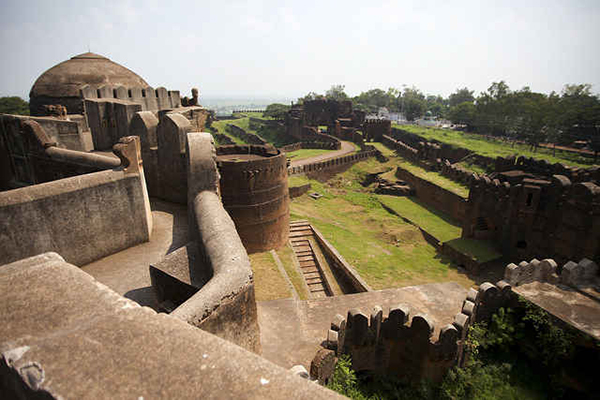
The heart of Bidar’s grandeur is its majestic fort complex, one of the largest in South India. The Bidar Fort, perched atop laterite cliffs, is a vast military marvel surrounded by triple-layered walls and a deep moat. Built in the 15th century, the fort houses royal palaces, audience halls, mosques, and ornately carved gateways that echo Persian influences brought by artisans from Iran. The Rangin Mahal, known for its colorful tile work and intricate wood inlay designs, is a true showpiece of Deccan-era design.
The Solah Khamba Mosque (Sixteen Pillared Mosque) within the fort is one of the oldest Muslim places of worship in South India, admired for its symmetrical elegance. The Tarkash Mahal, built for the queen mother, and the Gagan Mahal, used for royal functions, speak to the refinement of the Bahmani rulers and their successors.
Spiritual Harmony and Pilgrimage
Bidar is a confluence of diverse spiritual traditions, attracting devotees from across the subcontinent. A significant Sikh pilgrimage site, the Gurudwara Nanak Jhira Sahib, is believed to be sanctified by Guru Nanak Dev Ji’s visit in the 16th century. Set against a peaceful backdrop of hills, this shrine features a spring-fed sarovar (water tank), reflecting the Sikh Guru’s miraculous creation of a water source to quench the thirst of locals during a drought.
For followers of Shaivism, the Papnash Shiva Temple offers spiritual solace and mythological significance. Located in a lush valley, the temple is believed to have been established by Lord Rama during his exile. Its sacred pond and centuries-old lingam attract devotees, especially during Mahashivaratri.
Nearby, the Narasimha Jhira Cave Temple, dedicated to Lord Narasimha, is a unique spiritual experience where pilgrims wade through waist-deep water inside a natural cave to glimpse the deity. This blend of natural and divine makes it a memorable visit for both the faithful and the adventurous.
Craftsmanship That Speaks of Royalty: Bidriware
No visit to Bidar is complete without witnessing the creation of Bidriware, the region’s famed metal inlay craft. Developed during the Bahmani rule and influenced by Persian artisanship, Bidriware involves embedding pure silver into blackened zinc alloy to create elegant vases, plates, boxes, hookahs, and jewelry.
Artisans in Bidar follow a complex, centuries-old process involving soil from the Bidar fort, known for its oxidizing properties that give the craft its signature black sheen. Watching a master craftsman bring intricate floral or geometric patterns to life on metal is not just inspiring—it’s a window into a dying art that continues to resist the onslaught of mass production.
Monuments and Hidden Gems
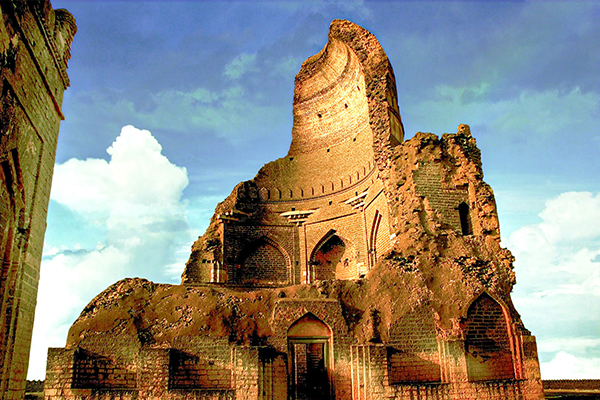
Beyond the fort and spiritual sites, Bidar is dotted with architectural treasures and heritage corridors. The Bahmani Tombs at Ashtur are grand mausoleums, each featuring calligraphy, frescoes, and Persian-style domes. These tombs, despite their weathering over time, retain an ethereal majesty and serve as reminders of Bidar’s past as a thriving cosmopolitan center.
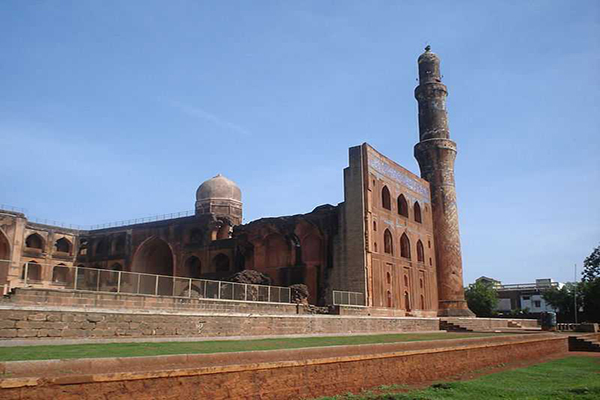
The Madrasa of Mahmud Gawan, built in the 15th century by a Persian scholar and prime minister of the Bahmani Sultanate, once attracted scholars from across Asia. Though partly in ruins today, the madrasa still showcases glazed tile work, lofty arches, and remnants of its once-great library and educational halls. It’s a symbol of Bidar’s intellectual and cultural zenith.
A Destination of Quiet Majesty
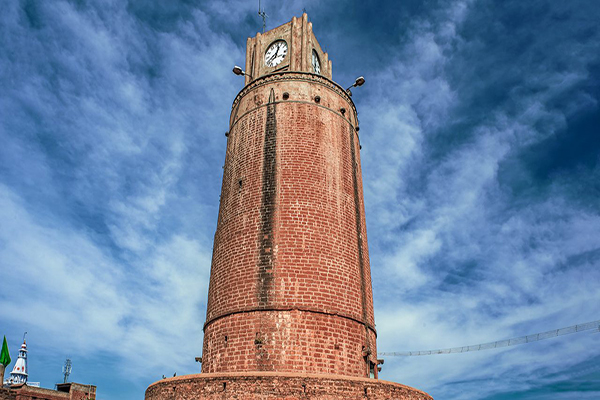
Bidar’s heritage walks take visitors through narrow lanes filled with whispers of the past—dusty shops selling antiques, mosques with fading minarets, and watchtowers that once scanned the Deccan skyline for advancing armies. The weathered laterite stone buildings, framed by open skies and green countryside, create a meditative atmosphere—perfect for travelers seeking historical immersion over hustle.
Its relatively untouched tourism profile means Bidar still retains an authentic charm—locals are warm, traffic is sparse, and the monuments aren’t overrun. From photography enthusiasts to cultural historians, Bidar rewards all who explore its layered narrative.
Why Visit Bidar?
Walk through one of South India’s most impressive forts.
Witness Bidriware craftsmanship, a rare and ancient metal inlay art.
Experience spiritual serenity at sites like Gurudwara Nanak Jhira Sahib and Papnash Temple.
Explore Indo-Persian monuments, tombs, and madrasas steeped in Bahmani-era glory.
Discover hidden caves, sacred springs, and dramatic landscapes of the Deccan plateau.
"Book Your Dream: Karnataka’s Cultural and Natural Wonders"
Goa is for everyone — including your little explorers!
Trade beach parties for cobblestone lanes and spice-laden breezes in this deeper dive into Goa’s culture.